


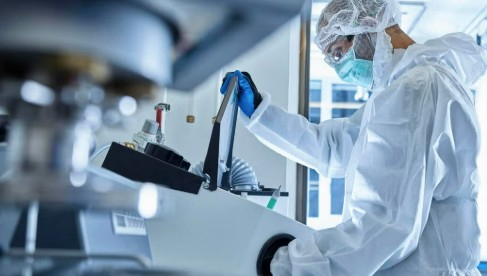
Biomedical & Research: Verification of lab equipment, biosafety cabinets, and cleanrooms.
Our expert services include:
Cleanroom Validation UAE: Full environmental validation to ISO 14644 standards, including particle count testing, pressure differential monitoring, and HVAC performance qualification to maintain your cleanroom’s integrity.
Biosafety Cabinet (BSC) Certification: Professional certification and recertification of Class II BSCs, compliant with NSF/ANSI 49 and USP <797>/<800> standards, ensuring safe containment of biohazards.
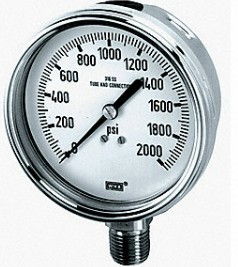
Laboratory Equipment Calibration: Precise calibration services for laboratory instruments to guarantee accuracy and regulatory compliance.
HVAC Performance Qualification: Verification and qualification of HVAC systems to ensure optimal airflow, temperature, and humidity control in sensitive environments.
HEPA Filter Integrity Test: Leak testing to confirm HEPA filter efficiency and prevent particulate contamination.
Airflow Visualization (Smoke Test): Smoke pattern analysis to verify proper laminar airflow and containment within cleanrooms and biosafety cabinets.
Particle Count Testing: Routine and emergency airborne particulate monitoring to maintain ISO cleanroom classifications.
Thermal Validation & Mapping: Temperature and humidity mapping to safeguard biological samples and pharmaceutical products.
Validation of cleanrooms, biosafety cabinets, and laboratory instruments is crucial in biomedical and research environments to ensure sterility and safety. Cleanrooms are controlled environments designed to minimize the introduction, generation, and retention of airborne particulate contamination. our validation involves assessing parameters such as airflow patterns, temperature, humidity, and particulate counts to ensure compliance with regulatory standards. Biosafety cabinets provide a critical barrier between personnel and potentially hazardous agents, requiring validation processes that include certification tests for airflow velocity and containment efficiency. Overall, the validation process not only safeguards public health and research integrity but also adheres to good manufacturing practices (GMP) and other regulatory guidelines, ensuring that all biomedical research can be conducted safely and effectively.
Biosafety Cabinet (BSC) Certification
Purpose:
BSCs are engineered to protect laboratory personnel, the environment, and research materials by containing biohazardous aerosols generated during work with infectious agents. Proper certification verifies that the cabinet continues to meet safety and performance standards.
Certification Frequency:
Standard Research and Clinical Labs: Annually
High-Risk Facilities: Every six months (biannually) for labs working with high-risk biological agents categorized as Biosafety Level 3 (BSL-3) or Biosafety Level 4 (BSL-4), and for facilities complying with USP <797> (sterile compounding) and USP <800> (hazardous drugs) standards.
When to Recertify Immediately:
After moving or relocating the BSC
Following replacement of HEPA (High-Efficiency Particulate Air) or ULPA (Ultra-Low Penetration Air) filters
After significant maintenance or internal repairs
Key Performance Tests:
Airflow Velocity: Measures both inflow at the front grille and downflow into the work area to ensure containment of contaminants and protection of the product.
HEPA Filter Integrity Testing: Leak tests confirm that filters capture at least 99.97% of particles 0.3 microns or larger, ensuring no particulate escape.
Smoke Pattern Visualization: Uses smoke to observe airflow patterns within the cabinet, confirming laminar flow and proper containment, preventing cross-contamination.
Cleanroom Validation & Verification
Purpose:
Validation ensures that the entire cleanroom environment—not just individual equipment—maintains the required cleanliness and environmental conditions for sensitive biomedical or pharmaceutical processes.
Testing and Monitoring Include:
Airborne Particle Counts: Regular monitoring to confirm the cleanroom meets the required ISO classification (e.g., ISO Class 5 or better for sterile processing).
Room Pressure Differentials: Maintaining positive or negative pressure gradients to prevent contamination ingress or egress, depending on the risk profile.
Air Exchange Rates: Adequate air changes per hour to dilute and remove contaminants.
Temperature and Humidity Control: Critical to prevent degradation of biological samples and ensure product stability.
Equipment and HVAC Integration: Verifying that heating, ventilation, and air conditioning systems work harmoniously with containment equipment (e.g., Grade B cleanroom cabinets) to sustain environmental control.
Standards and Accreditation
Qualified Technicians: Certifications and verifications must be performed by technicians accredited by recognized bodies to ensure compliance and accuracy.